Running one shared shopping list for the whole household
Keep one list in one place, write items down when they run out, tick instead of deleting and split the shop by section when two people go out at the same time.
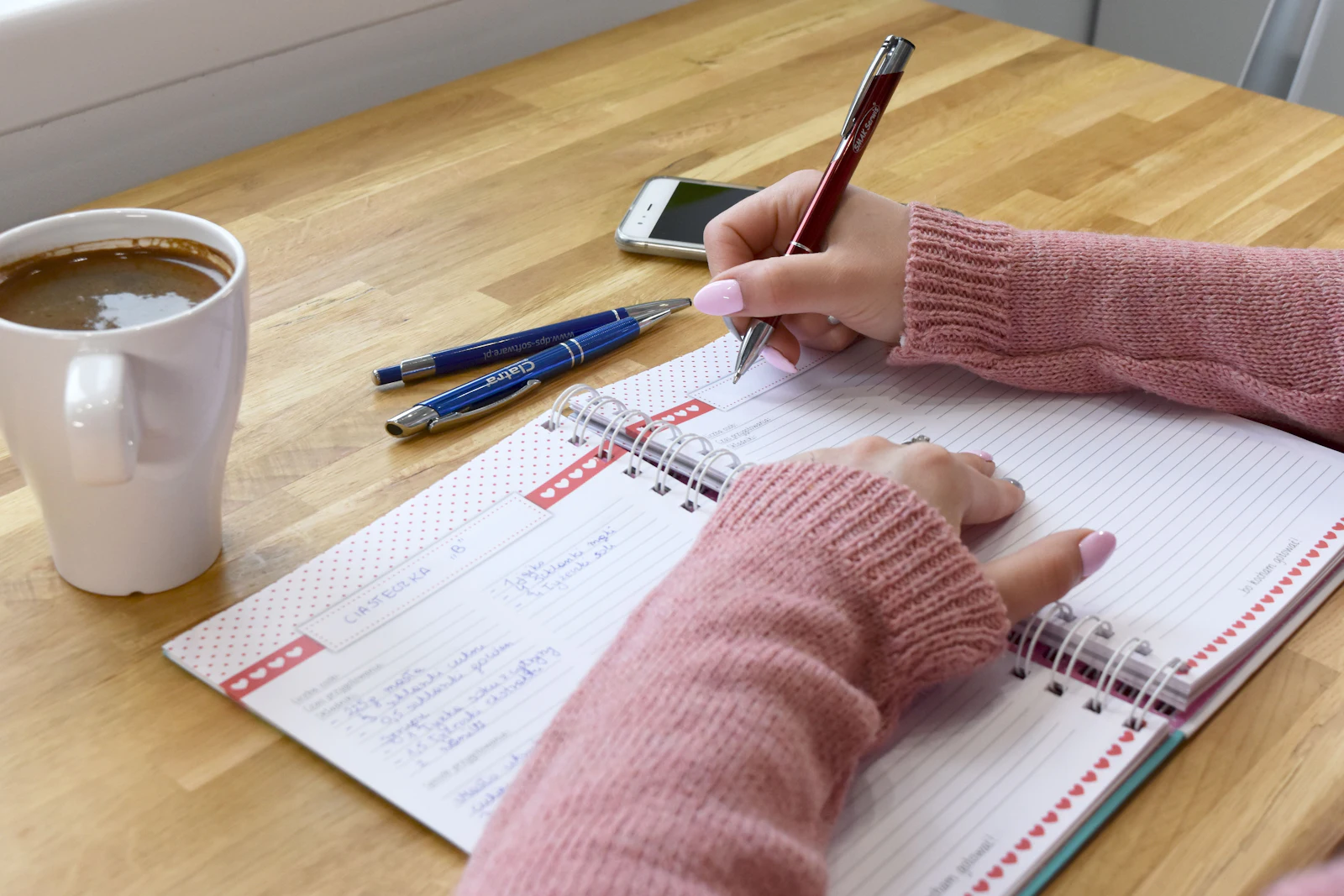
In a household where more than one person shops or cooks, the list often ends up in pieces: a note on the fridge, a message in a group chat, something said in passing on the way out of the door. Items get bought twice or not at all. A single shared list with a few simple rules fixes most of this, and nobody has to manage it.
Keep it in one place
The list only works if everyone uses the same one. Pick a single place and agree that anything not written there does not get bought. The choice depends on the household:
- A whiteboard or notepad on the fridge suits families with younger children, who can add items too.
- A shared note or checklist app suits households where adults shop separately during the week.
- A planner app with a shared list suits households that also plan meals together.
Whatever you choose, the person doing the weekly plan copies the extra items onto the main list before the shop.
Three rules that help
Write it when you finish it
Whoever uses the last of something adds it straight away. Waiting until later is how the milk gets forgotten.
Be specific
"Bread" means something different to everyone. "Wholemeal sliced loaf" or "rolls for lunches, 6" saves a phone call from the shop. Add a brand only if it matters.
Tick, do not delete
When something is bought, tick it instead of removing it. If two people are shopping at once, each can see what is already in a basket. Clear the ticked items once the shopping is put away.
Let everyone suggest a meal
Planning together does not need a meeting. Leave a space on the list or the planner where anyone can suggest a dinner for the coming week. The person who plans picks from the suggestions and checks them against what is already in the fridge. Meals people asked for are less likely to be skipped.
Note any allergies, foods someone will not eat and nights when fewer people are home. Those notes shape the list as much as the recipes do.
Splitting the shop
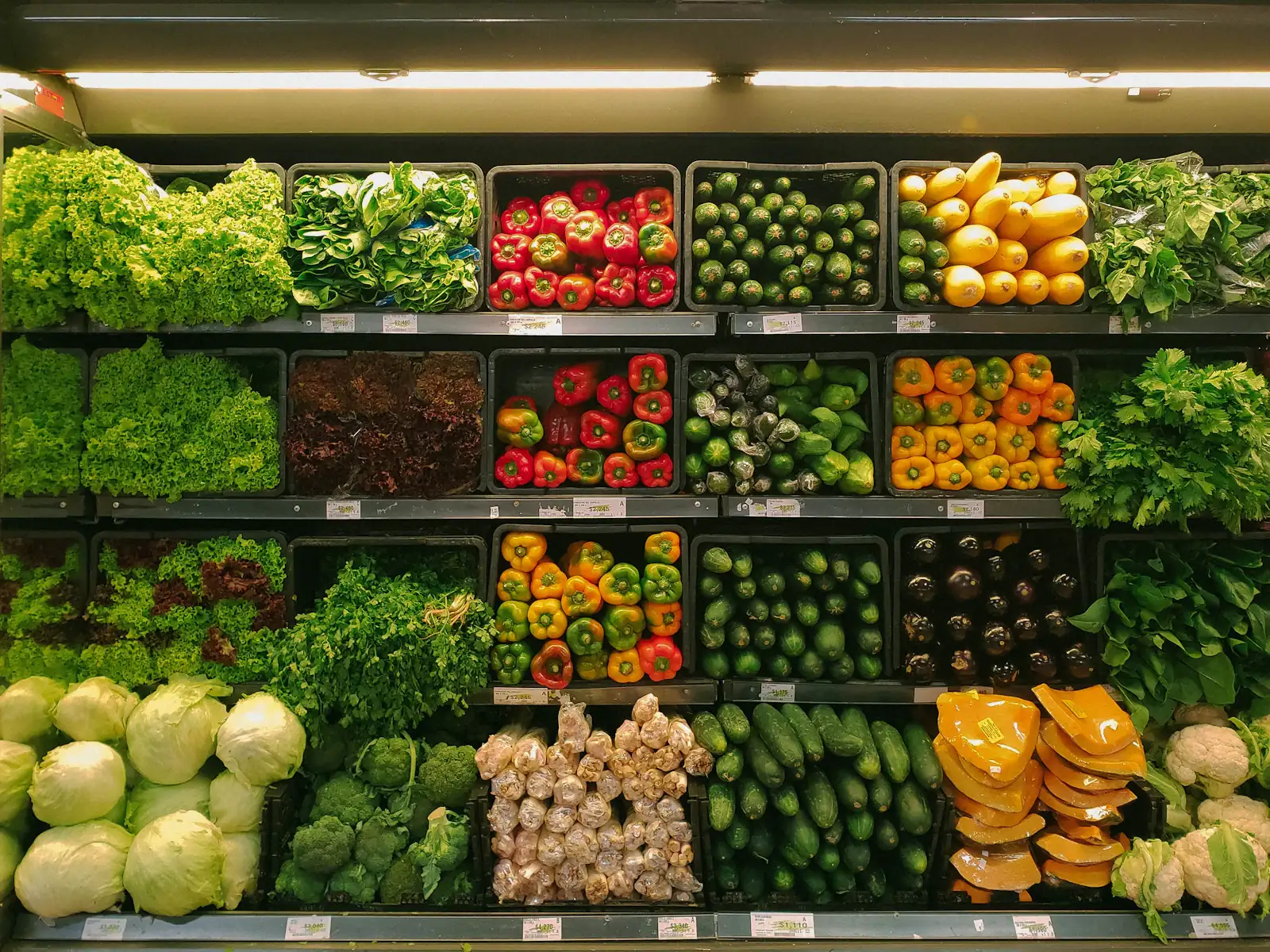
If two people shop on the same day, split the list by section instead of by recipe. One person takes produce and bakery, the other takes chilled and dry goods. A list that is already sorted by aisle makes this easy: draw a line between the sections.
Where to go next
A shared list works best with a quick pantry check before the shop. Planner apps such as Recipe2Shop offer shared lists among other features; check the official site for current details and pricing.