Planning a week of meals around shared ingredients
Pick two or three anchor ingredients first, then choose recipes that use them in different ways, so each bunch of herbs or bag of greens gets a second meal.
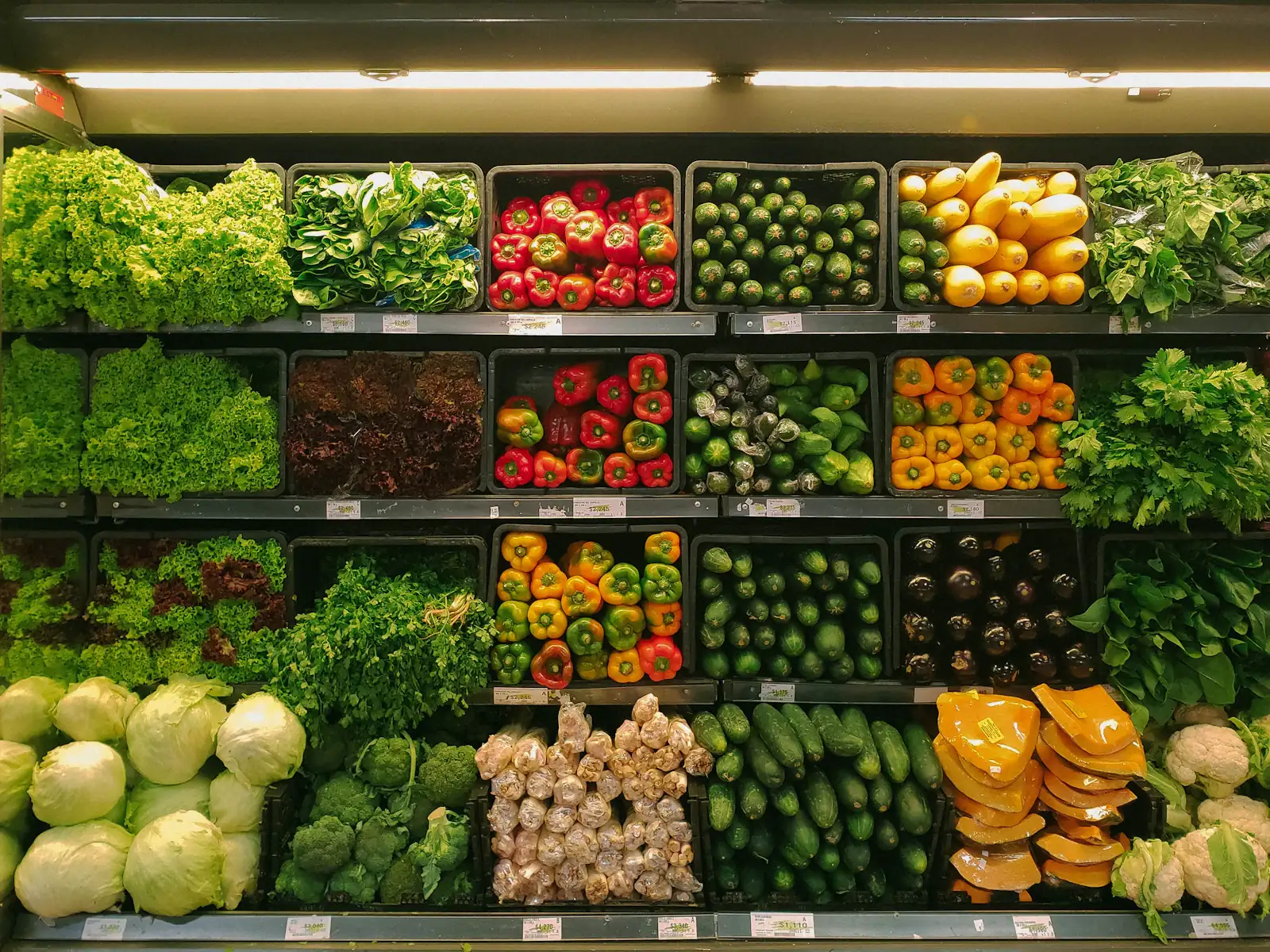
Most fresh ingredients are sold in amounts bigger than one recipe needs. A bunch of coriander, a bag of spinach, a pot of cream, a whole cabbage. When each dinner of the week uses different fresh produce, the shopping list gets long and the fridge fills with half-used packs. Choosing recipes that share a few ingredients keeps the list shorter and gives every pack a second job.
Start with two or three anchor ingredients
Before picking recipes, pick the ingredients. Choose two or three fresh items you want to use this week, often whatever is in season or already in the fridge. Then look for recipes that use them.
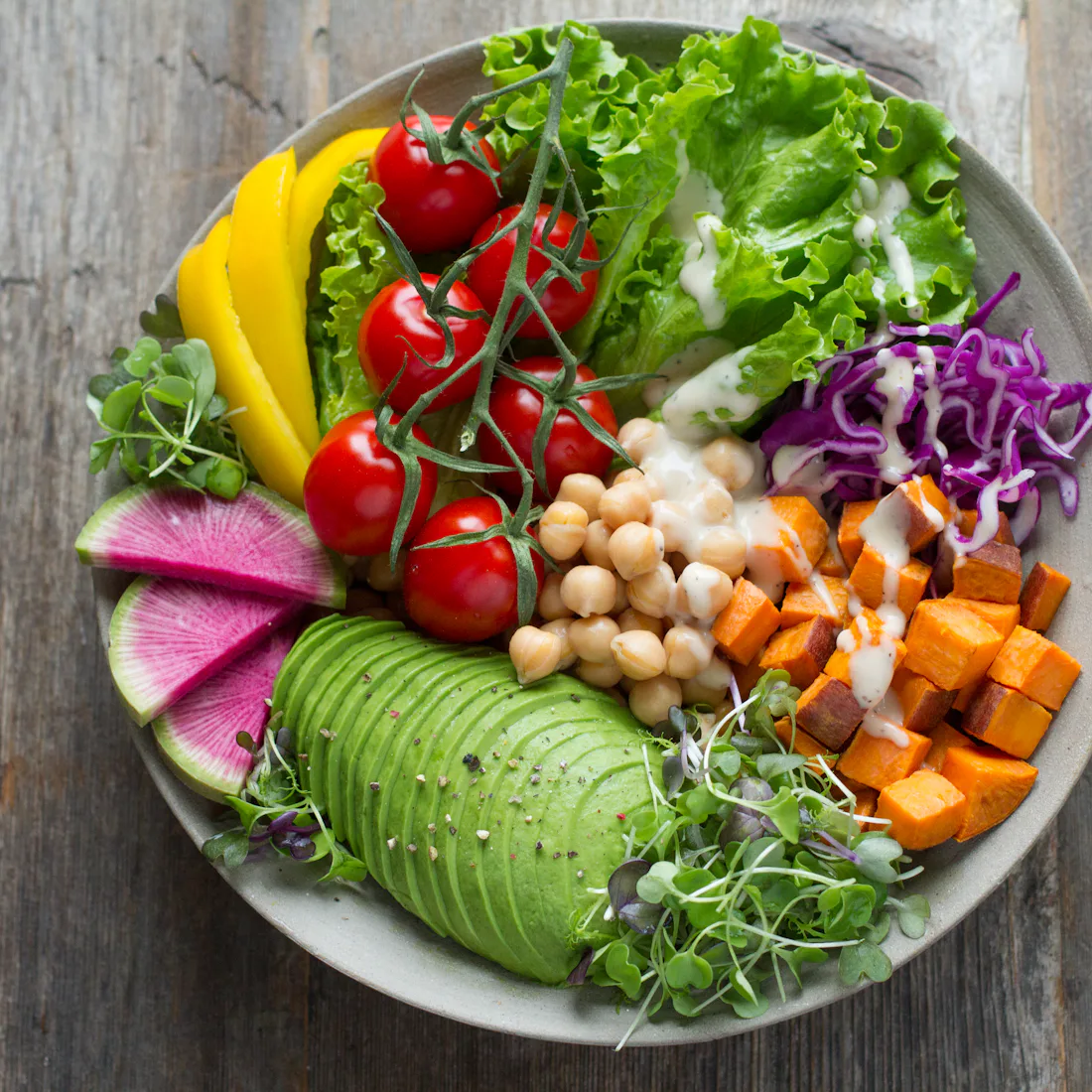
Say the anchors are spinach, lemons and feta. The week might include a spinach and feta pie, a lemony lentil soup finished with spinach, and a grain bowl with crumbled feta and lemon dressing. Each pack gets used up across three different dinners.
Ingredients that are easy to share
Some ingredients turn up in many cuisines, so they overlap without much effort:
- Onions, garlic and ginger, which go into most savoury cooking anyway.
- Leafy greens that wilt into soups, pastas and curries.
- Fresh herbs bought by the bunch, such as parsley, coriander or basil.
- Dairy that comes in larger pots: yoghurt, cream, soft cheese.
- A tin of coconut milk or a jar of pesto, which are hard to finish in one go.
Keep the meals different
You can share an ingredient without eating the same dish three times. Change the cooking method and the flavours around it. Cabbage can be a slaw on Monday, stir fried with noodles on Wednesday and roasted in wedges on Friday. The shopping list has one cabbage on it.
It also helps to space the recipes out. Put the meals that use the most delicate ingredients, like soft herbs or salad leaves, early in the week, and the ones that can take slightly older produce, like soups and stews, later on.
Check the overlap on the list
When you merge the recipes into one list, look for lines that appear only once and need a whole pack. A single tablespoon of tahini or half a red pepper is a signal. Find a second use for it in another recipe, swap it for something already on the list, or note it as an item to plan around next week.
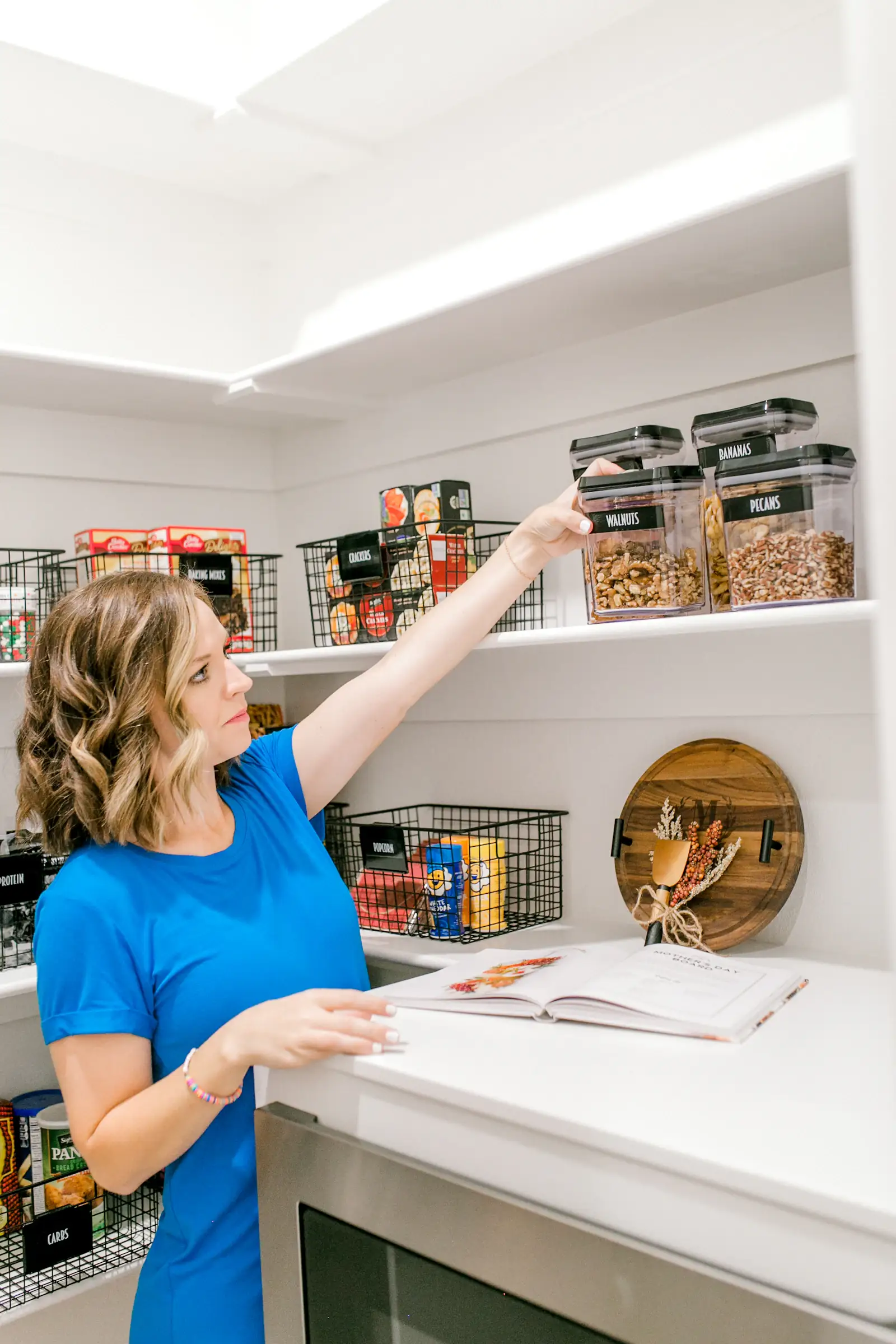
This is also a good moment to look at the pantry check again. If you already have half a bag of lentils, a lentil recipe may fit better than one that needs a new ingredient.
Where to go next
Recipes that share ingredients pair well with cooking one base for two meals. Some planner apps, Recipe2Shop among them, show combined quantities across recipes, which makes overlaps easier to spot. A paper list with the ingredients tallied by hand does the same job.