Check the pantry before you write the shopping list
Go recipe by recipe, look in the fridge, freezer, cupboard and spice drawer in a fixed order, and keep a running note so staples are not bought twice.
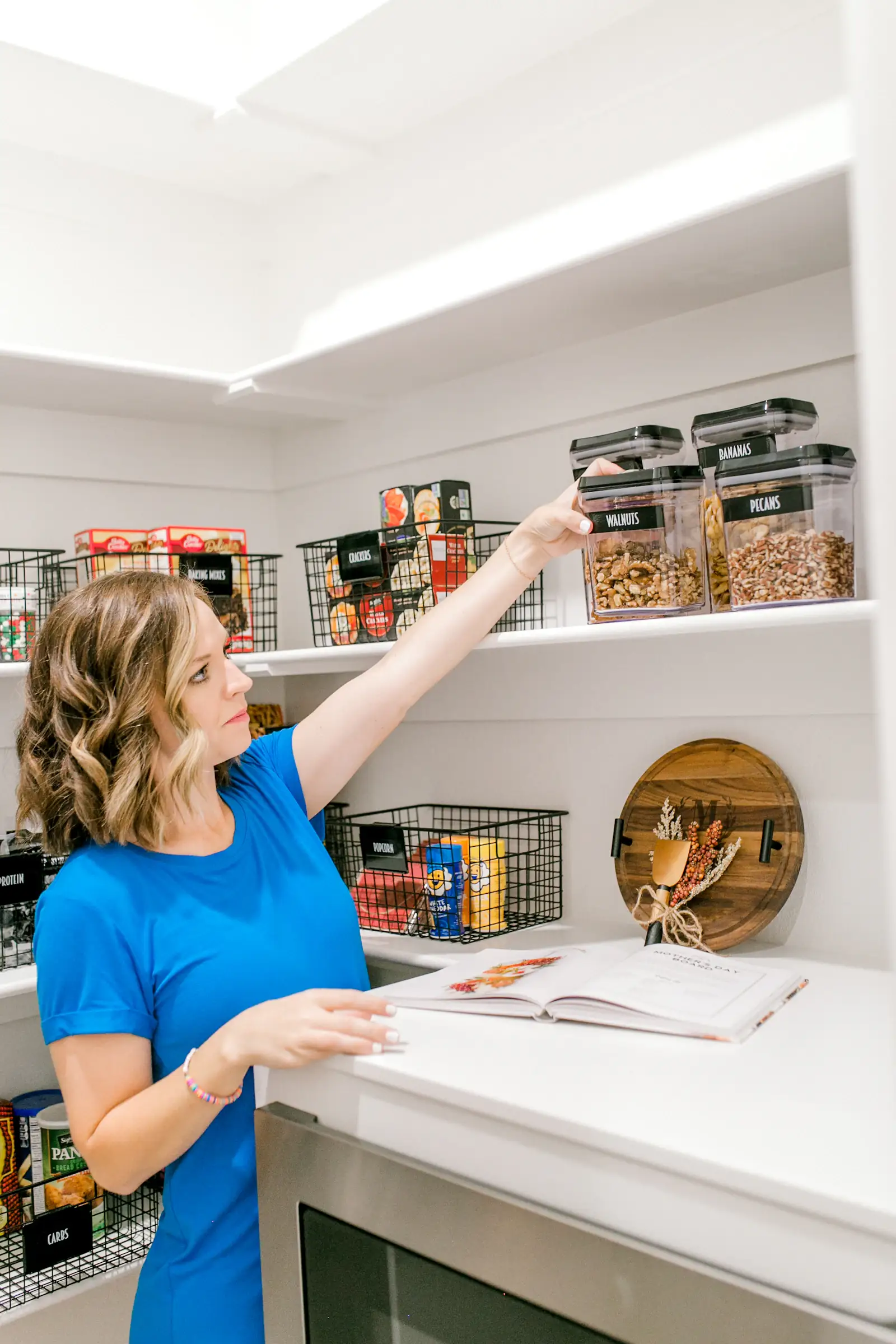
The most common reason a weekly shop goes over is buying things that are already at home. A second jar of cumin, a third bag of rice, a tin of tomatoes hiding behind the one you can see. A short pantry check between choosing the recipes and writing the list stops most of that, and it takes less time than people expect if you do it in the right order.
Check recipe by recipe, not shelf by shelf
Standing in front of the cupboard and trying to remember everything in it is slow and unreliable. Work from the plan instead. Open the first recipe, read the ingredient list from top to bottom, and look for each item as you go. If it is there in a usable amount, strike it through. If it is missing or nearly finished, leave it on.
Then move to the next recipe. By the time you reach the fourth or fifth dinner, you will have opened most cupboards once and the fridge twice, and every line still standing is something you actually need.
What "a usable amount" means
Seeing the jar is not enough. A bottle of soy sauce with a centimetre left will not cover a stir fry and a marinade. For anything a recipe uses by the cup or the tin, look at the quantity, not just the label. For spices used by the teaspoon, a quick shake usually tells you enough.
Where to look, in order
Most kitchens have the same few places where forgotten food builds up. Checking them in a fixed order means nothing gets skipped:
- The fridge door and the back of the bottom shelf, where sauces, pastes and half-used cream end up.
- The freezer, especially bags without labels. Frozen peas, stock and bread are easy to buy twice.
- The dry cupboard: rice, pasta, flour, tins, oil and stock cubes.
- The spice rack or drawer. Duplicates here are the hardest to notice because the jars are small.
Keep a running note for staples
A pantry check works better when the household helps between shops. Keep a note on the fridge or in a shared phone list called something like "running low". Whoever uses the last of the olive oil or opens the final tin of chickpeas writes it down. When you sit down to plan, that note goes straight onto the list and you do not need to check those items again.
Some people go one step further and keep a short list of staples they always want in the house: onions, garlic, eggs, a grain, a tin of tomatoes. Glancing at that list once a week is quicker than going through every shelf.
Use the check to plan around dates
While you are looking, note anything with a date coming up: yoghurt, a bag of salad, an opened jar that says "use within five days". Those items are worth building a meal around this week instead of buying fresh ingredients for a different recipe. The article on handling leftovers in next week's plan covers this in more detail.
Where to go next
Once the pantry items are struck off, the remaining lines are ready to merge and sort. The next step is putting the list in the order you walk the shop. If you prefer to keep recipes and lists in one place, a meal planner such as Recipe2Shop can hold the plan, but the check itself works the same on paper.